
My Child is in Distress!
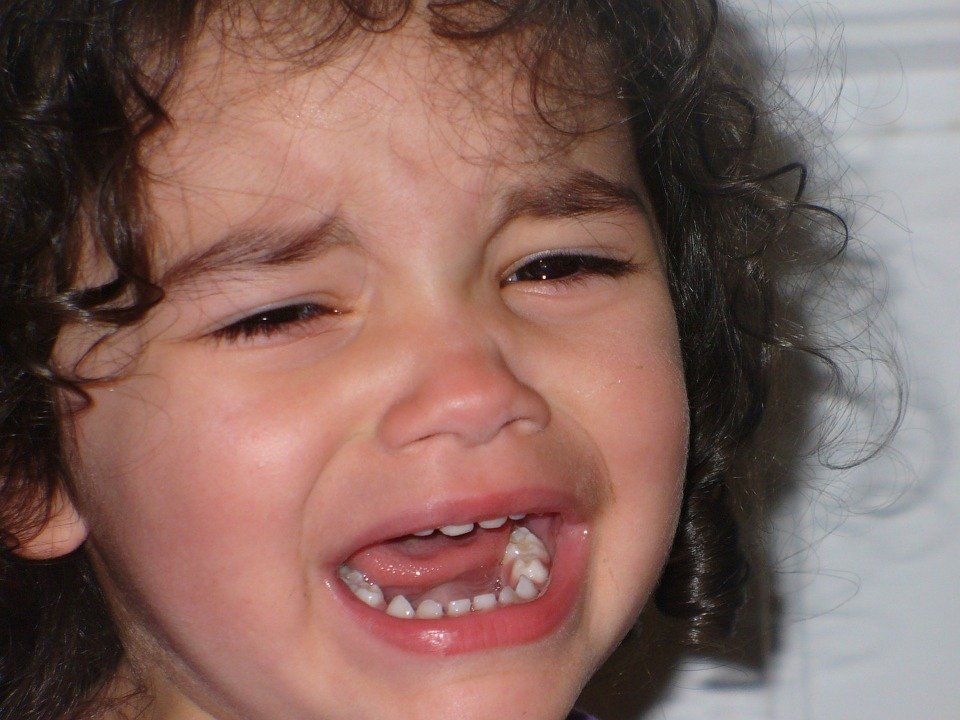
One of the hardest things to do as a parent is to watch your child in distress. And you can bet that they pick up on that at an early age! Crying is one of the most effective ways for a young child to get what they need...or want, from an adult. There are certainly times when crying warrants attention from adults. For instance... when an infant cries instinctually out of hunger, or a need to be changed or rocked ... when a toddler falls and hurts themselves ... when a child is fearful and needs comforting. Children quickly learn what will get your attention. If a little whimper isn’t enough, they’ll soon dissolve into a full blown tantrum - warranted, or not. A child is likely to cry at the drop of a hat if the end result is getting what they want, which is usually attention from mom or dad.
Mealtime is a great opportunity for toddlers to experiment with what grabs the attention of the adults at the table, and what works to avoid eating. Aside from crying, gagging, coughing and appearing to be in distress are also quite effective at getting the attention of mom or dad. Although a young toddler may not have the cognition to formulate the thought "I’m going to [insert unpleasant reaction, like gag, vomit, etc.]", they are certainly capable of understanding the cause and effect of their behavior. If your child gags at the site of a food, or vomits after one bite ... and you allow them to escape the food, or allow them out of the highchair, they learn that those actions are an effective ways of changing the demand placed on them. If they didn’t do it on purpose the first time, you can be assured they will in the future.
One of the most common things I hear from parents is "my child chokes on their food". Usually, what they mean is "my child gags on food". Gagging is the body’s defense AGAINST choking. Although unpleasant, gagging is not a sign of a blocked airway. Sure, choking is always a concern with little ones, but gagging and carrying on is not choking. And, like crying, if gagging results in the removal of food, your child will learn to step it up a notch.
What can you do if your child cries, gags, coughs, etc. at meals?
Stay calm, cool and collected. Observe your child to make sure they are not actually choking or otherwise in real pain, but do not make a big fuss. Try not to show your child that their behavior is upsetting to you.
Ignore crying, gagging, coughing, and even vomiting. Focus on the positive "Great job trying your chicken!" "Good chewing" etc.
At the very least, if you must end the meal, do so with one last bite. This way, your child knows that their behavior does not lead to escaping the meal altogether.
Don’t have a big discussion afterwards about why your child behaved the way they did. When the meal is over, move on to the next activity. Redirect any negative talk about food to things that went well (trying a bite, sitting in their chair, etc.), or less stressful topics.
__________________________________________
Kristin Quinn is an experienced feeding specialist. Trained at one of the nation’s top Children’s Hospitals, Kristin is well versed in the complexities of feeding, and the impact feeding difficulties can have on an entire family. Kristin is passionate about helping parents find a plan that will work for them. Contact her today for more information! toddlersandtomatoes@gmail.com
The Toddler and Tomatoes website is not a substitute for medical advice. All information is intended for your general information only. Information presented on this site and through our services should not be considered a substitute for medical consult or treatment for specific medical conditions. Information obtained by using our services is not exhaustive and does not cover all diseases, ailments, physical conditions or their treatment. You should never disregard medical advice or delay in seeking it because of something you have read on our site. If you think you have a medical emergency, call your doctor or 911 immediately. Thanks!